How Fabric Density and Weave Affect Comfort and Durability in Apparel
Source:联系我们-果博东方福布斯客服电话19187099992(公司直属开户) Release time:2026-03-17 09:32:36 Author:479


In the textile industry, fabric quality is influenced by many factors, but two of the most important are fabric density and weave structure. These characteristics determine how a fabric feels, how strong it is, and how well it performs in everyday wear. For apparel manufacturers and fashion brands, understanding these factors is essential when selecting materials for different garments. Textile producers such as Zhangjiagang City Shazhou Textile Printing and Dyeing Imp. & Exp. Co., Ltd. carefully control density and weaving techniques to create fabrics that balance comfort, durability, and appearance. Fabric density refers to the number of yarns woven into a specific area of fabric. It is often described in terms of thread count or the number of warp and weft yarns per inch. A higher density means that more yarns are packed into the fabric, creating a tighter and stronger structure. Dense fabrics generally feel smoother and more durable, making them suitable for garments that must withstand regular use.
However, density must be balanced carefully. Extremely high density can make fabrics heavier and less breathable, which may reduce comfort in warm weather. On the other hand, fabrics with lower density are lighter and more breathable but may not provide the same level of durability. Textile engineers adjust density according to the intended use of the fabric, ensuring the final product performs well for its specific application. Weave structure is another critical factor that affects fabric performance. The weave refers to the pattern in which warp and weft yarns intersect during the weaving process. Different weave styles create different textures, strengths, and flexibility levels. Common weave structures include plain weave, twill weave, and satin weave, each offering unique characteristics.
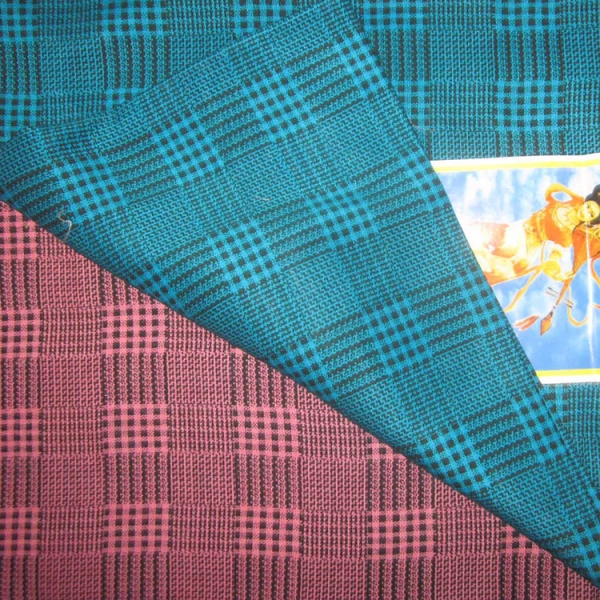
Plain weave is one of the most widely used weaving methods in the textile industry. In this structure, warp and weft yarns cross each other in a simple alternating pattern. Fabrics produced with plain weave—such as poplin—are known for their strength, stability, and balanced texture. Because the yarns are tightly interlocked, plain weave fabrics resist tearing and maintain their shape over time, making them suitable for shirts, uniforms, and everyday clothing. Twill weave is recognized by its diagonal pattern on the fabric surface. This structure allows the yarns to move slightly more freely, which increases flexibility and softness. Twill fabrics are often used in garments that require durability combined with comfort, such as workwear, trousers, and outerwear. The weave also helps hide stains and wrinkles, adding practical benefits for daily wear.
Satin weave, in contrast, creates a smooth and glossy surface because the yarns float over multiple threads before interlacing again. This structure reduces friction between fibers, resulting in a soft and luxurious texture. Satin-style fabrics are often chosen for elegant garments, dresses, and fashion pieces where appearance and drape are important. The interaction between density and weave ultimately determines the overall performance of a fabric. For example, a high-density plain weave fabric may provide excellent durability and structure, while a medium-density twill weave fabric may offer better flexibility and comfort. By adjusting both parameters, textile manufacturers can create materials suitable for a wide range of apparel products.
For fabrics such as viscose, rayon, cotton flannel, and poplin, careful control of weaving conditions ensures the right balance between softness and strength. High-quality textile manufacturers monitor yarn tension, loom settings, and finishing treatments to maintain consistent fabric density throughout production. This precision helps ensure that garments made from the fabric maintain their comfort and durability even after repeated washing and wearing. Ultimately, fabric density and weave structure are fundamental elements that shape the performance of textiles in the apparel industry. By combining the right yarn materials with the appropriate weaving technique, manufacturers can produce fabrics that meet both functional and aesthetic requirements. This attention to detail ensures that clothing not only looks good but also provides lasting comfort and reliability for consumers around the world.