The Importance of Reliable Fabric Supply in International Garment Production
Source:联系我们福布斯有限公司客服电话191-87099992(福布斯) Release time:2026-05-06 11:07:33 Author:506


In the global apparel industry, timing, consistency, and coordination are critical to success. Garment production depends heavily on the availability of fabric, making reliable supply a fundamental requirement for manufacturers and brands operating across international markets. Any disruption in fabric delivery can delay production schedules, increase costs, and impact product launches. For this reason, working with dependable textile suppliers such as Zhangjiagang City Shazhou Textile Printing and Dyeing Imp. & Exp. Co., Ltd. is essential for maintaining stable and efficient garment production. Fabric is the foundation of every garment, and without timely supply, the entire production chain can be affected. Apparel manufacturers often operate on strict timelines tied to seasonal collections, retail cycles, and market demand. If fabric arrives late or in inconsistent quality, cutting and sewing operations are delayed, which can result in missed deadlines and lost sales opportunities. Reliable fabric supply ensures that production flows smoothly from one stage to the next.
Consistency in supply is just as important as timing. Large garment orders require fabric batches that match in color, texture, and performance. Variations between shipments can create challenges during cutting and sewing, leading to mismatched garments or increased rejection rates. A reliable textile supplier maintains strict quality control and standardized production processes to ensure that every delivery meets the same specifications as the approved sample. Another key factor is scalability. International garment production often involves large volumes that must be delivered within a limited timeframe. Suppliers with strong production capacity and integrated manufacturing systems are better equipped to handle such demands. By maintaining stable output levels, they can support both small trial orders and large-scale production runs without compromising quality or delivery speed.
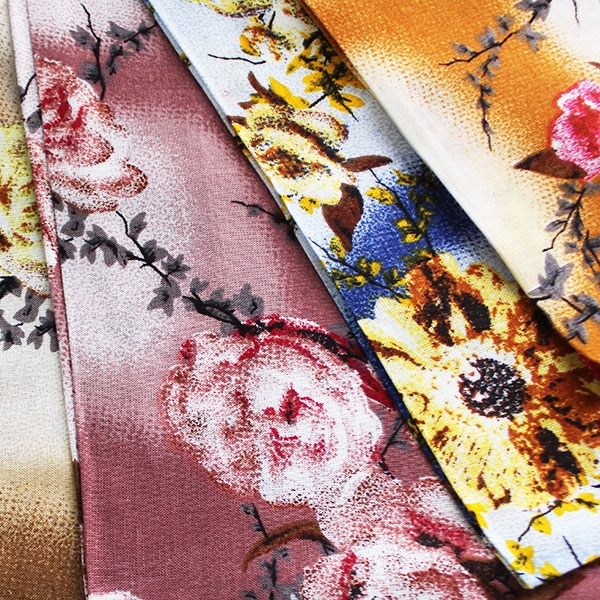
Reliable fabric supply also helps reduce operational risks. In global trade, factors such as logistics delays, raw material shortages, or production disruptions can affect delivery schedules. Experienced suppliers anticipate these challenges and implement contingency plans, such as maintaining inventory buffers or optimizing production scheduling. This proactive approach minimizes uncertainty and helps garment manufacturers maintain stable operations. Effective communication further strengthens supply reliability. Clear updates on production progress, shipment status, and potential issues allow buyers to plan accordingly. When suppliers communicate transparently, garment manufacturers can adjust their production schedules if necessary, avoiding unexpected disruptions. Strong coordination between supplier and buyer ensures that the entire supply chain operates efficiently.
Compliance with international standards is another important aspect. Reliable suppliers ensure that their fabrics meet required certifications and quality benchmarks, such as safety, environmental, and performance standards. This not only helps brands meet regulatory requirements but also builds confidence in the final product. Consistent compliance reduces the risk of shipment rejection or additional testing delays. In addition, reliable fabric supply supports long-term business relationships. When garment manufacturers can depend on a supplier for consistent quality and timely delivery, they are more likely to establish ongoing partnerships. This stability benefits both parties, allowing for better planning, improved efficiency, and mutual growth in competitive global markets.
Ultimately, reliable fabric supply is the backbone of successful international garment production. It ensures smooth workflow, consistent product quality, and timely market delivery. By partnering with experienced and dependable textile manufacturers, apparel brands can strengthen their supply chains, reduce risks, and maintain a competitive edge in the global fashion industry.