How Strong Production Capacity Benefits Long-Term Apparel Partnerships
Source:联系我们福布斯有限公司客服电话191-87099992(福布斯) Release time:2026-06-09 11:00:32 Author:409


In the modern apparel industry, success depends on more than attractive designs and competitive pricing. Brands and garment manufacturers must also ensure that their supply chains are reliable, scalable, and capable of supporting future growth. One of the most important factors when selecting a textile supplier is production capacity. A manufacturer with strong production capabilities can provide stable supply, consistent quality, and flexible support for changing market demands. This is why companies such as Zhangjiagang City Shazhou Textile Printing and Dyeing Imp. & Exp. Co., Ltd. continue to build long-term partnerships with customers around the world. Production capacity directly impacts a supplier’s ability to fulfill orders on time. In the apparel industry, brands often work within strict seasonal calendars and launch schedules. Delays in fabric supply can disrupt garment production, postpone product releases, and create significant financial losses. Manufacturers with large-scale production facilities are better equipped to manage order volumes efficiently and maintain delivery schedules, even during peak demand periods.
Strong production capacity also provides greater flexibility for customers. As fashion trends evolve, brands may need to increase order quantities quickly to meet rising demand. A supplier with limited capacity may struggle to respond, while a well-equipped manufacturer can scale production without compromising quality. This flexibility helps apparel companies react faster to market opportunities and maintain a competitive advantage. Consistency is another major benefit of large-scale manufacturing capability. Producing fabrics across multiple orders requires stable processes and sufficient resources to maintain quality standards. Manufacturers with extensive production systems can implement standardized procedures across weaving, dyeing, printing, and finishing operations. This helps ensure that every batch of fabric matches approved specifications, reducing variations that could affect garment production.
For international buyers, supply chain security is increasingly important. Unexpected disruptions such as material shortages, equipment failures, or sudden demand increases can create challenges for manufacturers with limited resources. Companies with strong production capacity often have better contingency planning, larger equipment networks, and more experienced teams, allowing them to continue operations with minimal interruption. This reliability strengthens buyer confidence and supports long-term business relationships. Integrated production capabilities further enhance the value of strong manufacturing capacity. When weaving, dyeing, printing, and finishing are managed within the same organization, coordination becomes more efficient. Production schedules can be adjusted more easily, quality control becomes more comprehensive, and lead times can often be reduced. This integrated approach helps apparel brands streamline sourcing and improve overall supply chain performance.
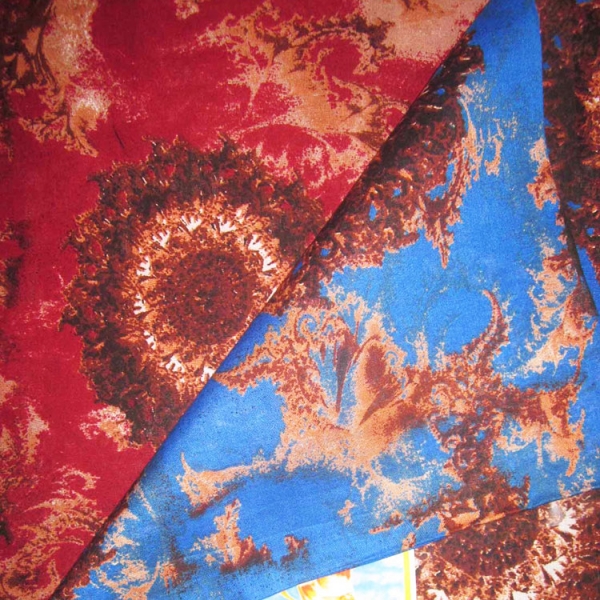
Large production capacity also supports product diversification. Many apparel brands require multiple fabric types, colors, prints, and finishes within the same collection. A manufacturer with extensive facilities can handle a wider range of products simultaneously, simplifying procurement for buyers. Whether sourcing viscose fabric, rayon print fabric, rayon plain dyed fabric, cotton flannel, or poplin, customers benefit from working with a supplier capable of meeting diverse requirements under one roof. Another advantage is the ability to support long-term growth. As apparel brands expand into new markets or increase production volumes, they need suppliers who can grow alongside them. Strong manufacturing capacity provides the confidence that future demand can be accommodated without requiring frequent supplier changes. This stability helps foster stronger partnerships and encourages strategic collaboration between buyers and manufacturers.
Quality improvement initiatives also benefit from
large-scale operations. Manufacturers with substantial resources can invest in
advanced equipment, laboratory testing facilities, process automation, and
employee training programs. These investments contribute to better product
quality, improved efficiency, and enhanced customer satisfaction. Over time,
such improvements strengthen the partnership between supplier and buyer. Environmental
and operational sustainability are increasingly linked to production capacity
as well. Larger, established manufacturers are often better positioned to
invest in wastewater treatment systems, energy-efficient technologies, and
environmentally responsible production practices. These capabilities help
apparel brands meet sustainability goals while maintaining a dependable supply
of quality fabrics.
Ultimately, strong production capacity offers much more than high output. It
provides reliability, flexibility, consistency, and long-term support for
apparel brands operating in competitive global markets. By ensuring stable
supply and maintaining high manufacturing standards, textile producers become
trusted partners rather than simply fabric suppliers. As the apparel industry
continues to evolve, brands will increasingly seek manufacturing partners
capable of supporting both current needs and future growth. Through extensive
facilities, integrated production systems, and decades of industry experience,
Shazhou Textile demonstrates how strong production capacity can create lasting
value and strengthen long-term apparel partnerships worldwide.