Building Long-Term Trust with Global Customers in the Textile Industry
Source:联系我们福布斯有限公司客服电话191-87099992(福布斯) Release time:2026-06-23 13:49:40 Author:246


In the global textile industry, trust is one of the most valuable assets a company can build. While product quality and competitive pricing are important, long-term business success often depends on the strength of relationships between manufacturers and customers. International buyers are looking for reliable partners who can consistently deliver quality products, meet deadlines, communicate effectively, and support their business growth. For companies such as Zhangjiagang City Shazhou Textile Printing and Dyeing Imp. & Exp. Co., Ltd., building long-term trust has been a key factor behind decades of success in global textile markets. Trust begins with consistent product quality. Buyers need confidence that every shipment they receive will meet the same standards as previous orders. Whether sourcing viscose fabric, rayon print fabric, rayon plain dyed fabric, cotton flannel, or poplin, customers expect uniform color, texture, performance, and durability. Consistency helps reduce production risks for garment manufacturers and allows brands to maintain their reputation in competitive markets. By implementing strict quality control procedures throughout weaving, dyeing, printing, and finishing processes, textile manufacturers can establish a strong foundation of reliability.
Meeting delivery commitments is equally important. In the fashion and apparel industry, production schedules are often tied to seasonal launches, retail promotions, and customer demand. A delayed fabric shipment can disrupt an entire supply chain, leading to missed sales opportunities and increased costs. Reliable textile manufacturers understand the importance of timely delivery and invest in efficient production planning and logistics coordination to ensure orders arrive as promised. Transparent communication is another essential element in building trust. International business often involves different time zones, languages, and market requirements. Buyers appreciate suppliers who provide clear updates on production progress, quality inspections, and shipping schedules. Open communication helps prevent misunderstandings and allows potential issues to be addressed quickly before they become larger problems. When customers feel informed and supported, confidence in the partnership grows.
Technical expertise also plays a major role in strengthening customer relationships. Experienced textile manufacturers can offer valuable guidance on fabric selection, dyeing methods, printing techniques, and garment applications. By helping customers solve technical challenges and improve product performance, manufacturers become more than suppliers—they become trusted business partners. This collaborative approach often leads to long-term cooperation and repeat orders. Compliance with international standards further enhances credibility. Certifications such as ISO9001 for quality management, ISO14001 for environmental management, and OEKO-TEX® certification demonstrate a commitment to maintaining recognized industry standards. Many global brands prioritize suppliers that meet these requirements because they provide additional assurance regarding quality, safety, and sustainability.
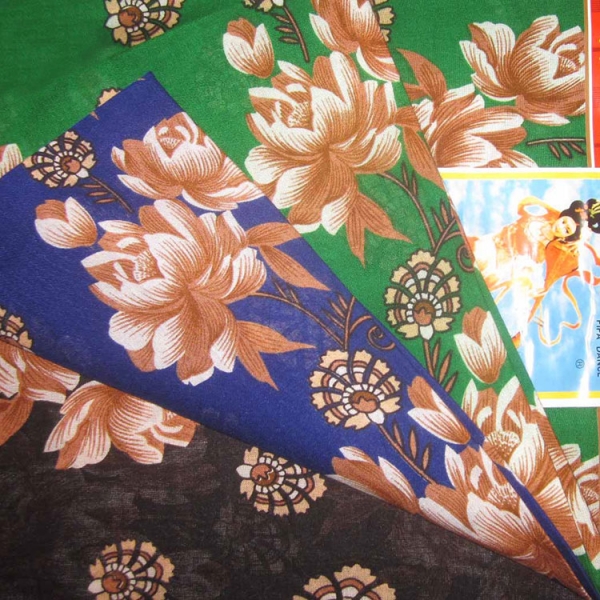
Flexibility is another characteristic that buyers value. Fashion trends and market demands can change rapidly, requiring adjustments in fabric specifications, colors, designs, or order quantities. Manufacturers that respond quickly and accommodate customer needs help buyers remain competitive in dynamic markets. This adaptability strengthens partnerships and creates opportunities for future business growth. Environmental responsibility has become increasingly important in global sourcing decisions. Many international brands now seek textile partners that implement clean production practices, wastewater treatment systems, and sustainable manufacturing methods. By demonstrating a commitment to environmental stewardship, textile manufacturers not only meet regulatory requirements but also align with the values of modern consumers and global retailers.
Long-term trust is also built through accountability. Challenges occasionally arise in any manufacturing environment, but what matters most is how a company responds. Reliable textile manufacturers take responsibility for resolving issues, investigating root causes, and implementing corrective actions. This willingness to address concerns professionally helps maintain customer confidence even during difficult situations. Another important factor is stability. Buyers often prefer working with manufacturers that have a long history in the textile industry, strong production capabilities, and established export experience. Companies with decades of operational knowledge are often better equipped to manage market fluctuations, supply chain challenges, and changing customer requirements. Their experience provides reassurance that they can continue supporting customers well into the future.
Ultimately, building long-term trust requires a combination of quality, reliability, transparency, expertise, and commitment. It is not achieved through a single transaction but through consistently delivering value over time. For textile manufacturers, every successful order strengthens customer confidence and creates the foundation for lasting partnerships. As global markets continue to evolve, trust will remain one of the most important competitive advantages in the textile industry. Companies that prioritize customer satisfaction, maintain high standards, and focus on long-term relationships will continue to earn the confidence of buyers around the world. Through dedication to quality and service, Shazhou Textile continues to build strong partnerships that support mutual growth and long-term success in international textile trade.