Why Integrated Textile Manufacturing Improves Product Quality and Delivery
Source:联系我们福布斯有限公司客服电话191-87099992(福布斯) Release time:2026-07-07 15:01:36 Author:341


In today's global textile industry, buyers expect more than high-quality fabrics. They also require consistent production, shorter lead times, reliable delivery schedules, and efficient communication throughout the sourcing process. To meet these expectations, many leading textile companies have adopted integrated manufacturing systems that combine multiple production processes under one operation. For companies such as Zhangjiagang City Shazhou Textile Printing and Dyeing Imp. & Exp. Co., Ltd., integrating weaving, printing, dyeing, and garment production has become a significant advantage in delivering both superior products and dependable service to customers around the world. Integrated textile manufacturing means that the major production stages are completed within the same company rather than being outsourced to multiple suppliers. Instead of sending fabrics to different factories for weaving, dyeing, printing, finishing, and inspection, each process is coordinated internally. This streamlined approach improves operational efficiency while giving manufacturers greater control over quality and production schedules.
One of the biggest benefits of integrated manufacturing is stronger quality control. When every production stage is managed within the same facility, quality standards can be monitored continuously from raw materials to finished fabrics. Technicians inspect products after weaving, evaluate color accuracy during dyeing, verify print quality, and examine finished fabrics before packaging. This continuous monitoring allows problems to be identified and corrected immediately, reducing defects and ensuring consistent product quality. Communication between departments is also much more efficient in an integrated production system. Weaving, dyeing, printing, finishing, and quality control teams work closely together and share production data in real time. If adjustments are required, they can be implemented quickly without waiting for external suppliers. This close coordination reduces production delays and helps maintain stable manufacturing performance.
Integrated manufacturing also shortens lead times. In traditional supply chains, fabrics often need to be transported between different factories for various production stages. These transfers increase transportation costs, require additional scheduling, and create opportunities for delays. By completing all major processes within one manufacturing system, companies can move materials directly from one department to the next, improving production efficiency and reducing delivery times. Another important advantage is greater production flexibility. International buyers frequently request customized fabrics, including special colors, printed designs, fabric weights, or finishing treatments. Because all departments work together within the same organization, integrated manufacturers can respond more quickly to design changes and customer requests. Sampling, product development, and production adjustments become faster and more efficient, helping customers bring new products to market sooner.
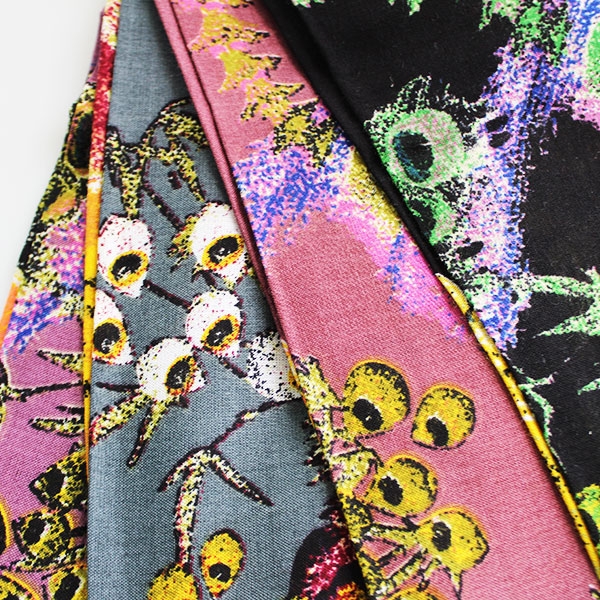
Consistency across large orders is another key benefit. Apparel brands often require thousands or even millions of meters of fabric with identical color, texture, width, and performance. Integrated manufacturing systems use standardized operating procedures, centralized production planning, and coordinated quality management to ensure that every production batch meets the same specifications. This consistency reduces manufacturing risks for garment producers and strengthens buyer confidence. Supply chain reliability also improves through integrated production. Managing multiple external suppliers can increase the risk of scheduling conflicts, quality variations, and delivery delays. By controlling more stages of manufacturing internally, textile companies reduce their dependence on outside partners and maintain better control over production timelines. This reliability is especially valuable for international customers working with seasonal collections and fixed retail launch dates.
Integrated manufacturing also supports continuous innovation. Engineers, production specialists, and quality teams can collaborate more effectively when they work within the same organization. New fabrics, printing techniques, dyeing processes, and finishing technologies can be developed and tested more efficiently. This collaborative environment enables manufacturers to provide innovative textile solutions while maintaining production stability. Environmental management benefits from integration as well. Coordinating dyeing, printing, and finishing within one facility makes it easier to monitor water usage, chemical consumption, wastewater treatment, and energy efficiency. Companies can implement unified environmental management systems that improve sustainability while maintaining compliance with international standards and customer requirements.
Customer service is another area strengthened by integrated manufacturing. Buyers communicate with a single supplier rather than coordinating with multiple factories. This simplifies project management, improves information flow, and provides customers with one reliable point of contact throughout the entire production process. Faster communication and clearer responsibility help build stronger long-term partnerships. For Shazhou Textile, integrated manufacturing combines decades of production experience with advanced equipment and systematic quality management. By bringing weaving, printing, dyeing, and garment production together under one operation, the company is able to deliver consistent quality, shorter lead times, and dependable service to customers across global markets.