From Yard-Dyed to Printed—How Buyers Select the Right Fabric for Their Designs
Source:联系我们-果博东方福布斯电话19187O99992(客服 开户 上下分) Release time:2026-02-11 11:20:58 Author:37


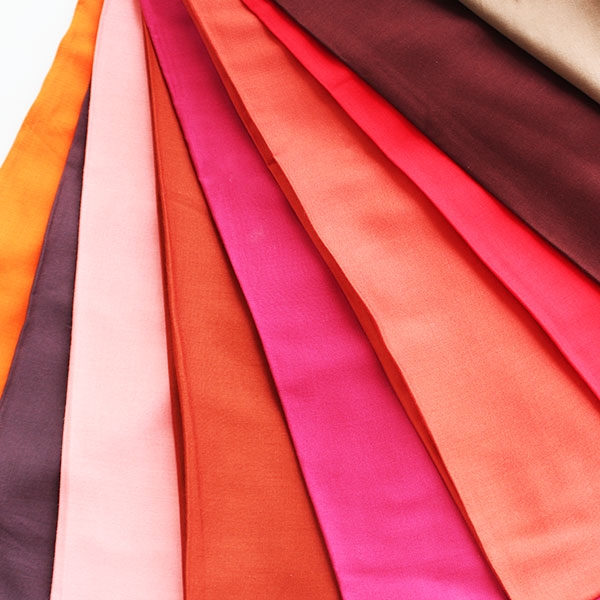
Selecting the right fabric is one of the most important decisions in garment development, and for many buyers, the choice often comes down to yard-dyed fabrics or printed fabrics. Each option serves different design goals, cost structures, and production requirements. Understanding the differences helps brands create collections that align with both creative vision and market demand. Yard-dyed fabric is produced by dyeing the yarns before weaving. This method allows color to penetrate deeply into the fibers, resulting in rich, uniform shades with excellent color fastness. Because the color is locked into the yarn itself, yard-dyed fabrics are known for their durability and long-lasting appearance. Buyers often choose this option for garments that require consistent color, such as shirts, uniforms, workwear, and timeless fashion basics.
One of the biggest advantages of yard-dyed fabric is its premium look and feel. Solid colors appear cleaner and more refined, making these fabrics ideal for minimalist designs and classic silhouettes. Stripes, checks, and woven patterns created from dyed yarns also have a subtle depth that printed fabrics cannot fully replicate. Apparel manufacturers targeting quality-conscious or long-term collections often prefer yard-dyed materials. Printed fabric, on the other hand, offers unmatched design freedom. Printing is applied after the fabric is woven, allowing designers to place intricate patterns, florals, graphics, and custom artwork directly onto the surface. This makes printed fabrics the top choice for fashion-forward brands, seasonal collections, and trend-driven markets where visual impact is essential.
 From a buyer’s perspective, printed fabrics are especially attractive for fast fashion and statement pieces. Design changes can be implemented quickly, enabling brands to respond rapidly to market trends. Printing also allows for multiple color combinations on a single fabric base, which helps diversify product lines without changing the underlying material. Cost considerations play a key role in the selection process. Yard-dyed fabrics typically involve higher production costs due to the additional dyeing step before weaving. However, their durability and premium positioning often justify the investment for long-term or high-quality garments. Printed fabrics can be more cost-effective for complex designs, especially when producing large volumes with repeated patterns.
End-use performance is another deciding factor. Buyers looking for garments that will undergo frequent washing—such as uniforms, daily wear shirts, or children’s clothing—often favor yard-dyed fabrics for their superior color retention. For fashion pieces where design outweighs longevity, printed fabrics provide the desired visual appeal without compromising overall garment quality. Seasonality also influences buyer decisions. Printed fabrics are commonly used for spring and summer collections, featuring bright colors and expressive designs. Yard-dyed fabrics are frequently chosen for year-round essentials and autumn or winter lines where deeper tones and structured looks are preferred.
Ultimately, the choice between yard-dyed and printed fabric depends on the brand’s design intent, target market, and production strategy. Many successful apparel brands incorporate both options within their collections, using yard-dyed fabrics for core items and printed fabrics for trend-led styles. By understanding the strengths of each method, buyers can select the right fabric that balances aesthetics, performance, and commercial success.
One of the biggest advantages of yard-dyed fabric is its premium look and feel. Solid colors appear cleaner and more refined, making these fabrics ideal for minimalist designs and classic silhouettes. Stripes, checks, and woven patterns created from dyed yarns also have a subtle depth that printed fabrics cannot fully replicate. Apparel manufacturers targeting quality-conscious or long-term collections often prefer yard-dyed materials. Printed fabric, on the other hand, offers unmatched design freedom. Printing is applied after the fabric is woven, allowing designers to place intricate patterns, florals, graphics, and custom artwork directly onto the surface. This makes printed fabrics the top choice for fashion-forward brands, seasonal collections, and trend-driven markets where visual impact is essential.
End-use performance is another deciding factor. Buyers looking for garments that will undergo frequent washing—such as uniforms, daily wear shirts, or children’s clothing—often favor yard-dyed fabrics for their superior color retention. For fashion pieces where design outweighs longevity, printed fabrics provide the desired visual appeal without compromising overall garment quality. Seasonality also influences buyer decisions. Printed fabrics are commonly used for spring and summer collections, featuring bright colors and expressive designs. Yard-dyed fabrics are frequently chosen for year-round essentials and autumn or winter lines where deeper tones and structured looks are preferred.
Ultimately, the choice between yard-dyed and printed fabric depends on the brand’s design intent, target market, and production strategy. Many successful apparel brands incorporate both options within their collections, using yard-dyed fabrics for core items and printed fabrics for trend-led styles. By understanding the strengths of each method, buyers can select the right fabric that balances aesthetics, performance, and commercial success.
<Previous pagelack of content