Color Fastness Matters: How Shazhou Ensures Fabrics Do Not Fade, Bleed, or Shrink
Source:联系我们-果博东方福布斯客服电话19187099992(公司直属开户) Release time:2026-03-04 11:48:31 Author:9


In the global apparel industry, color fastness is one of the most critical indicators of fabric quality. No brand wants garments that fade after a few washes, bleed onto other fabrics, or shrink out of shape. For international buyers, these issues can result in customer complaints, product returns, and damaged brand reputation. This is why Zhangjiagang City Shazhou Textile Printing and Dyeing Imp. & Exp. Co., Ltd. places strict control on every stage of its dyeing and finishing processes to ensure long-lasting fabric performance. Color fading often occurs when dyes fail to properly bond with fibers. At Shazhou, the process begins with careful fiber analysis. Whether producing viscose fabric, rayon plain dyed fabric, rayon print fabric, cotton flannel, or poplin, the company selects dye types specifically suited to each fiber composition. Reactive dyes, vat dyes, and disperse dyes are applied according to precise formulations to maximize dye penetration and bonding strength. This targeted approach significantly improves resistance to washing and light exposure.
Accurate temperature control during dyeing is another key factor. Dye fixation depends heavily on maintaining stable heat and pH conditions. Shazhou’s advanced dyeing production lines use automated temperature regulation systems to maintain consistency across large batches. By preventing fluctuations during the dyeing cycle, the company ensures uniform shade depth and reduces the risk of uneven coloring. Bleeding—when color transfers to other fabrics during washing—is often caused by excess unfixed dye remaining on the surface. To prevent this, Shazhou implements thorough washing and soaping procedures after dyeing and printing. Multiple rinse cycles remove residual dye particles, ensuring that only properly bonded pigments remain. This process enhances wash fastness and keeps garments looking vibrant even after repeated laundering.
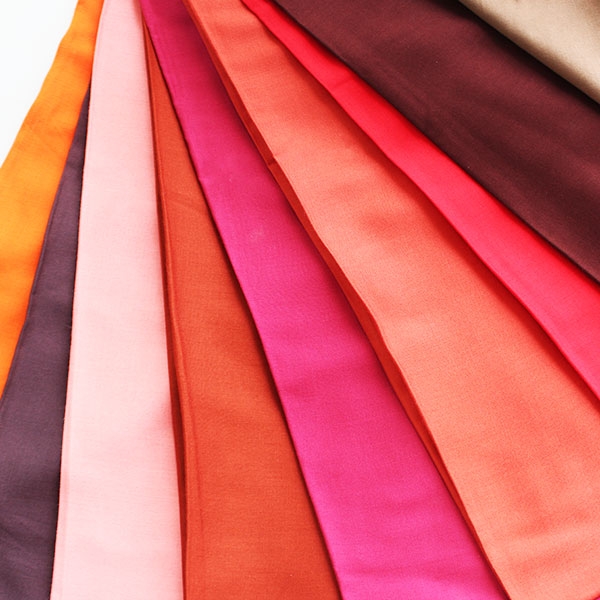
Shrinkage control is equally important. Fabric shrinkage typically results from improper pre-treatment or inadequate finishing processes. Shazhou integrates pre-shrinking treatments and mechanical finishing techniques to stabilize fabric dimensions before shipment. Steam setting and controlled drying procedures help fibers relax into their final structure, reducing post-production shrinkage during consumer washing. Laboratory testing plays a central role in maintaining these standards. Each batch undergoes professional testing for wash fastness, rubbing fastness, light fastness, and dimensional stability. Samples are subjected to repeated wash simulations, friction tests, and exposure to light sources to evaluate durability. Only fabrics that meet strict internal benchmarks proceed to packaging and export.
Consistency across millions of meters requires more than advanced machinery—it demands systematic quality management. Shazhou operates under ISO9001 quality management systems, ensuring standardized operating procedures and traceable production records. Dye formulas and process parameters are documented for repeat orders, enabling accurate color reproduction for international clients who require shade consistency across multiple seasons. Environmental responsibility also contributes to color stability. By implementing clean production standards and meeting Taihu Lake basin emission management requirements, the company maintains stable chemical processing systems. Controlled wastewater treatment and responsible chemical management reduce contamination risks that could otherwise impact dye quality.
For global fashion brands, durability is not optional—it is essential. Fabrics must maintain color integrity while offering comfort and performance. Through strict raw material selection, advanced dyeing technology, comprehensive testing, and systematic quality control, Shazhou ensures that its fabrics resist fading, bleeding, and shrinking. This commitment to color fastness strengthens buyer confidence and supports long-term partnerships in international textile markets.